Deadwood Removal in Reno, NV
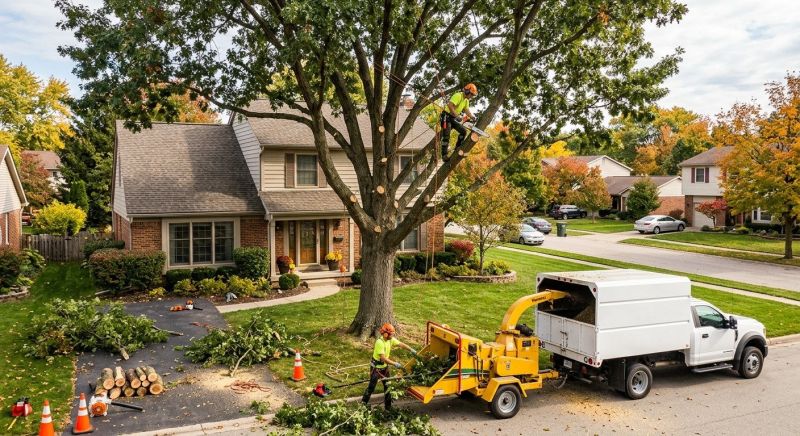
Deadwood removal services involve the safe and efficient removal of dead or decaying trees, branches, and stumps from residential properties. These projects typically include trimming and pruning overgrown or damaged trees, removing fallen branches, and stump grinding to clear the land for safety, aesthetic improvement, or future landscaping. Property owners often request these services to prevent potential hazards such as falling limbs, to improve the appearance of their yard, or to prepare the land for new construction or planting.
Before requesting deadwood removal, homeowners should consider the size and location of the trees or branches to be removed, as well as any potential impact on nearby structures or utilities. It’s also helpful to understand the extent of work needed, such as whether stump grinding is required or if additional tree health assessments are necessary. Clarifying these details can ensure the service meets the specific needs of the property and helps maintain safety and visual appeal.
Many property owners in Reno, NV look into Deadwood Removal for repairs, replacements, upgrades, and appearance-related improvements.
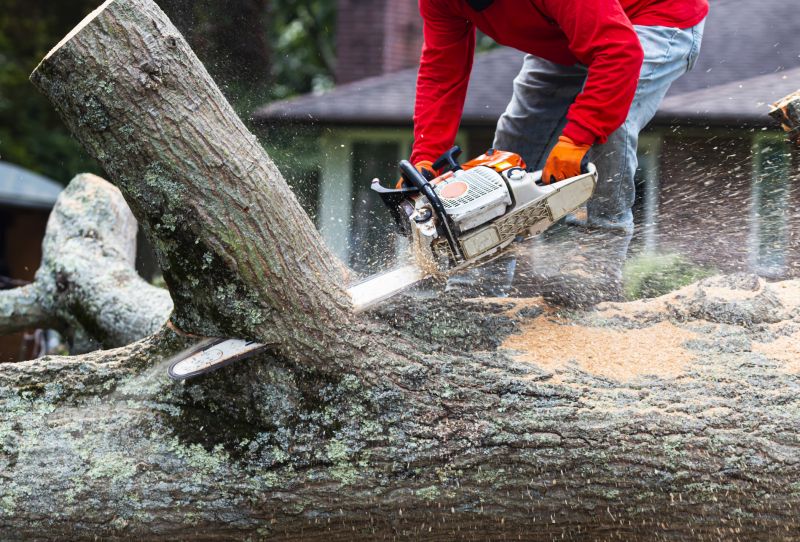
Types Of Deadwood Removal
Services include pruning, trimming, and complete removal of hazardous or unwanted dead trees.
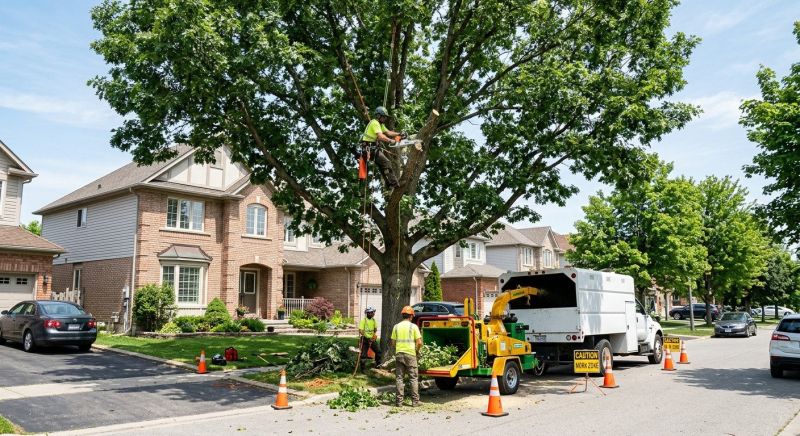
Benefits Of Deadwood Removal
Removing dead trees enhances property safety, improves landscape appearance, and prevents potential damage.
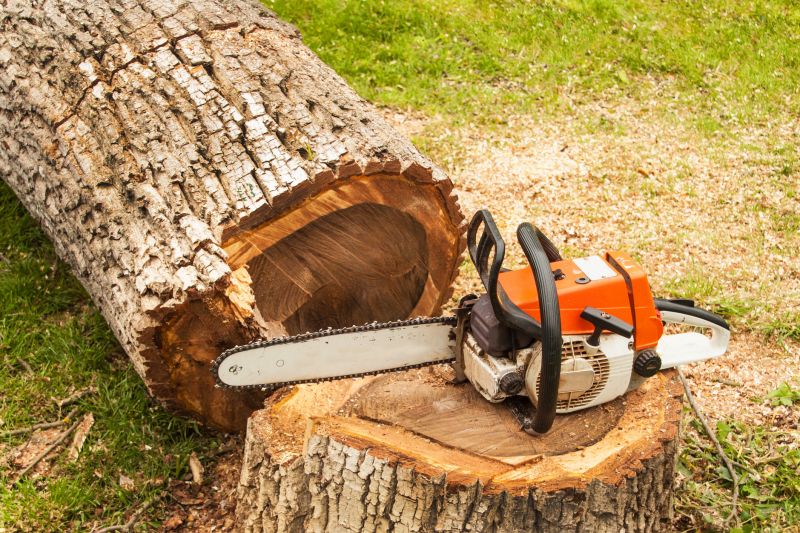
Common Reasons For Deadwood Removal
Property owners seek removal due to storm damage, disease, or to maintain a healthy, safe outdoor environment in reno, nv.
Deadwood Removal in Reno, NV
Deadwood removal services involve the safe and efficient removal of dead or decaying trees, branches, and stumps from residential properties. These projects typically include trimming and pruning overgrown or damaged trees, removing fallen branches, and stump grinding to clear the land for safety, aesthetic improvement, or future landscaping. Property owners often request these services to prevent potential hazards such as falling limbs, to improve the appearance of their yard, or to prepare the land for new construction or planting.
Before requesting deadwood removal, homeowners should consider the size and location of the trees or branches to be removed, as well as any potential impact on nearby structures or utilities. It’s also helpful to understand the extent of work needed, such as whether stump grinding is required or if additional tree health assessments are necessary. Clarifying these details can ensure the service meets the specific needs of the property and helps maintain safety and visual appeal.
Many property owners in Reno, NV look into Deadwood Removal for repairs, replacements, upgrades, and appearance-related improvements.
Common Deadwood Removal Jobs
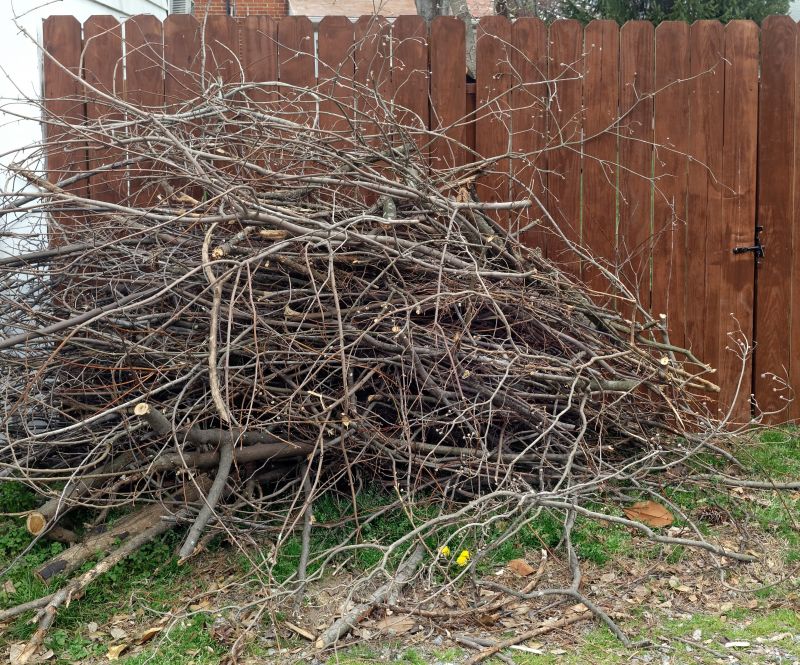
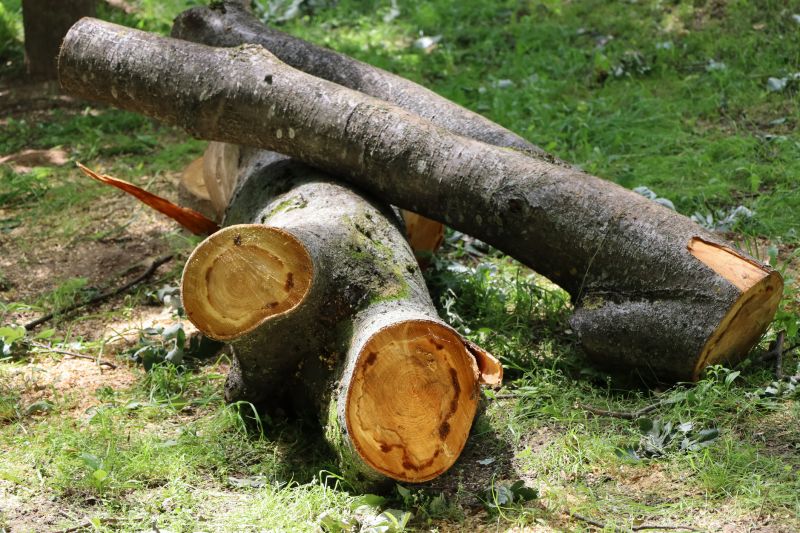
Deadwood Removal - Clearing dead or fallen trees to improve landscape safety and appearance.
Storm Cleanup - Removing debris from trees damaged by storms to prevent further hazards.
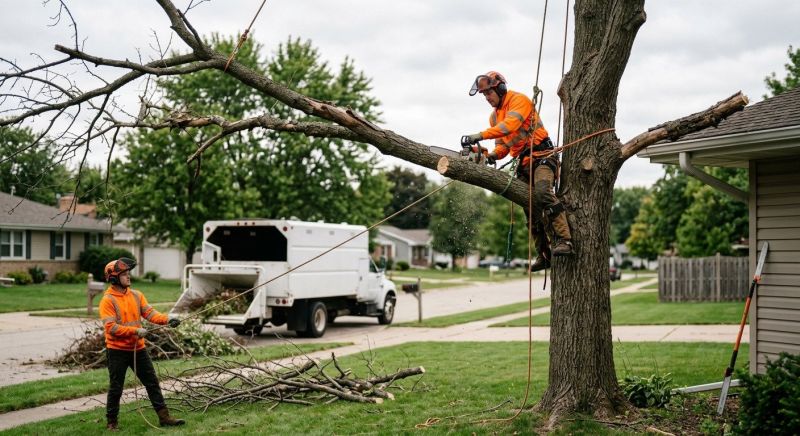
Tree Pruning - Trimming dead branches to promote healthy growth and reduce risk of damage.
Land Clearing - Removing deadwood and debris to prepare land for construction or landscaping projects.
Emergency Tree Removal - Quickly removing hazardous deadwood after storms or accidents.
Property Maintenance - Regular deadwood removal to maintain a safe and attractive outdoor space.
Deadwood Removal Questions
What types of trees can be removed? Deadwood removal services typically handle a variety of tree species, including deciduous and evergreen trees, to improve safety and health.
Why is deadwood removal important? Removing dead or dying branches reduces the risk of falling debris and helps maintain the overall health of the tree.
When should deadwood removal be performed? It is often recommended during the dormant season or when dead branches become a safety concern.
Will deadwood removal harm the tree? Proper removal techniques are designed to protect the tree's health and prevent unnecessary stress or damage.
Request Deadwood Removal in Reno, NV
Use the quote form on this page to share the basics of your project and request more information for the type of work you need.